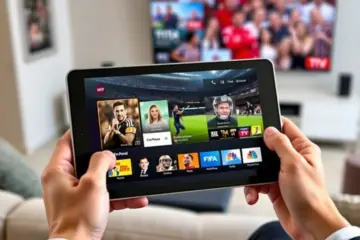
How To Build Your Own IPTV App A Comprehensive Guide

Understanding IPTV Technology Fundamentals
Internet Protocol Television (IPTV) represents a revolutionary approach to content delivery that transmits television programming through internet protocol networks rather than traditional broadcast methods. Unlike conventional streaming services that rely on content delivery networks (CDNs) for on-demand access, IPTV operates through dedicated private networks managed by service providers. This technology enables broadcasters to deliver live TV, video-on-demand, and time-shifted media through managed IP networks with guaranteed quality of service.
The technical foundation of IPTV involves several key components working in harmony. Content acquisition systems gather programming from various sources, while encoding and transcoding equipment convert signals into IP-compatible formats. Middleware serves as the crucial bridge between the user interface and content delivery systems, managing user authentication, electronic program guides, and interactive features. Meanwhile, content delivery networks ensure efficient distribution to end-users through set-top boxes or compatible applications.
How IPTV Differs from Traditional Streaming
IPTV distinguishes itself from conventional over-the-top (OTT) streaming services through its network architecture and delivery mechanisms. While services like Netflix and YouTube use public internet infrastructure, IPTV operates on managed private networks that prioritize television traffic. This fundamental difference enables IPTV providers to offer superior reliability and consistent quality, particularly for live broadcasts where timing is critical.
Another significant distinction lies in the business model and content delivery approach. Traditional streaming platforms typically focus on video-on-demand content libraries, whereas IPTV often replicates the linear television experience with scheduled programming. However, modern IPTV services increasingly blend both approaches, offering comprehensive entertainment solutions that combine live channels with extensive on-demand libraries. This hybrid model provides users with unprecedented flexibility in how they consume media content.
Market Opportunities in IPTV Development
The global IPTV market presents substantial growth opportunities, with projections indicating the market will reach $194.21 billion by 2027. This expansion is driven by increasing broadband penetration, growing demand for personalized content, and consumer preference for flexible viewing options. The shift from traditional cable subscriptions to IP-based services continues to accelerate, creating fertile ground for new entrants and innovative service models.
Several key market segments offer particularly promising opportunities for IPTV app developers. The sports streaming sector continues to demonstrate strong growth, with viewers seeking reliable, high-quality access to live events. Similarly, international content markets represent another area of significant potential, as expatriate communities and multicultural households seek access to programming from their home countries. Our guide to IPTV services for expats explores this growing segment in detail.
Niche Market Development Strategies
Successful IPTV ventures often target specific audience segments with tailored content offerings. Geographic specialization represents one viable approach, focusing on regional content preferences and language-specific programming. The rising popularity of IPTV services in France demonstrates how cultural alignment can drive market penetration.
Industry-specific applications present another promising avenue for IPTV development. The hospitality sector, for instance, increasingly adopts IPTV solutions to enhance guest experiences while reducing operational costs. Similarly, educational institutions and corporate environments represent potential markets for specialized IPTV applications that serve distinct viewing needs and content requirements.
Legal Considerations for IPTV App Development
Navigating the legal landscape represents one of the most critical aspects of IPTV development. Copyright compliance stands as the primary concern, as unauthorized distribution of protected content carries significant legal risks. Developers must ensure proper licensing agreements for all distributed content and implement robust digital rights management systems to prevent unauthorized access or redistribution.
The legal status of IPTV services varies considerably across jurisdictions, with some countries implementing strict regulations while others maintain more permissive frameworks. Understanding these regional differences is essential for successful market entry and ongoing compliance. Our comprehensive guide to IPTV legality by country provides detailed information about regulatory requirements in different markets.
Content Licensing and Distribution Rights
Securing proper content licensing represents the foundation of legally compliant IPTV operations. This process involves negotiating distribution rights with content owners, broadcasters, and production companies. Licensing agreements typically specify territorial restrictions, viewing windows, and technical requirements that must be strictly adhered to throughout the service lifecycle.
Developers should establish clear content acquisition strategies that prioritize legal sourcing and proper documentation. Working with established content aggregators and distributors can simplify this process, though due diligence remains essential to verify the legitimacy of content sources. Additionally, implementing comprehensive usage monitoring systems helps ensure compliance with licensing terms and identifies potential infringement issues before they escalate.
Technical Infrastructure Requirements
Building a robust IPTV infrastructure requires careful planning across multiple technical domains. Server architecture must support scalable content delivery with adequate redundancy to maintain service continuity. Content delivery networks play a crucial role in optimizing streaming performance across different geographic regions and network conditions.
Client application development represents another critical consideration, with compatibility across diverse devices and platforms essential for user adoption. Modern IPTV services typically support viewing on smart TVs, mobile devices, streaming boxes, and computers. Our guide to best IPTV services for multiple platforms examines the technical requirements for cross-device compatibility.
Quality of Service and Performance Optimization
Maintaining consistent streaming quality requires implementing comprehensive quality of service measures throughout the delivery chain. Adaptive bitrate streaming technology enables automatic quality adjustment based on available bandwidth, while content caching strategies reduce latency and improve load times. Network optimization techniques, including traffic shaping and congestion management, help ensure smooth playback even during peak usage periods.
Performance monitoring systems provide visibility into service quality and help identify potential issues before they impact users. These systems typically track key metrics including buffering ratios, startup times, and error rates across different regions and devices. Regular performance testing and optimization ensure the service meets user expectations and maintains competitive quality standards.
Server Infrastructure: The Backbone of Your Streaming Platform
Building a reliable IPTV service starts with robust server infrastructure. Your streaming platform requires dedicated servers with sufficient bandwidth to handle multiple concurrent connections without buffering. Content Delivery Networks (CDNs) are essential for distributing your stream efficiently across different geographical regions, ensuring smooth playback for all viewers regardless of their location.
For optimal performance, consider cloud-based solutions like AWS Media Services or dedicated streaming servers that can scale according to your subscriber base. These platforms offer built-in redundancy and automatic load balancing, which minimizes downtime during peak viewing hours. Additionally, implementing proper security measures prevents unauthorized access and protects your content from piracy.
Choosing the Right Streaming Protocols
Modern IPTV services rely on several streaming protocols to deliver content efficiently. HTTP Live Streaming (HLS) has become the industry standard due to its compatibility with most devices and adaptive bitrate capabilities. Meanwhile, MPEG-DASH offers similar benefits as an open standard, making it another popular choice for developers.
Real-Time Messaging Protocol (RTMP) remains relevant for live streaming scenarios, though it’s often used in conjunction with HLS for final delivery. For low-latency requirements, such as live sports or interactive content, newer protocols like WebRTC provide near real-time performance. Understanding how IPTV works at the protocol level helps you optimize your service for different content types and viewing scenarios.
Hardware Requirements for Your IPTV Build
The hardware components for your IPTV setup vary depending on your target scale. For smaller operations, a high-performance desktop computer with substantial RAM and storage can serve as your initial server. However, as your subscriber base grows, you’ll need enterprise-grade servers with multiple processors, RAID configurations for data redundancy, and dedicated graphics cards for video processing.
Network infrastructure is equally critical – invest in high-speed internet connections with sufficient upload bandwidth to handle your expected concurrent streams. Many successful providers start with colocation services or cloud hosting before investing in their own data center equipment. This approach allows for gradual scaling while maintaining service quality.
Essential Software Components
Your IPTV platform requires several software elements working in harmony. Media servers like Wowza Streaming Engine or Nimble Streamer manage your video streams, while middleware handles user authentication, electronic program guides (EPG), and billing systems. Content management systems organize your media library and enable easy updates to your channel lineup.
For client-side applications, you’ll need compatible IPTV players that support your chosen protocols. Popular options include IPTV Smarters Pro, TiviMate, and Perfect Player, all of which offer customizable interfaces and reliable playback. Many providers also develop their own branded applications to maintain consistency across different devices and platforms.
Content Delivery and Storage Solutions
Efficient content delivery begins with proper video encoding and compression. Modern codecs like H.265 (HEVC) provide superior compression compared to older standards, reducing bandwidth requirements while maintaining quality. Implement transcoding capabilities to automatically adjust stream quality based on each viewer’s internet connection speed.
Storage solutions must accommodate both your live stream archives and video-on-demand library. Consider implementing a tiered storage approach where frequently accessed content remains on fast SSD storage, while older material moves to more economical solutions. Regular backups and redundancy measures protect against data loss and ensure business continuity.
Integration and Compatibility Considerations
Successful IPTV services prioritize compatibility across the broadest range of devices. Ensure your platform works seamlessly on popular streaming devices like Firestick, Android boxes, and smart TVs, as well as mobile devices and computers. Testing across different screen sizes and operating systems identifies potential playback issues before they affect your subscribers.
Additionally, consider integrating with existing entertainment ecosystems. Many viewers appreciate services that complement their current setup rather than replacing it entirely. Features like catch-up TV, cloud DVR, and multi-screen viewing enhance the user experience and differentiate your service from competitors.
Building your own IPTV platform requires careful planning across these core components. By selecting the right combination of server infrastructure, streaming protocols, and hardware/software solutions, you create a foundation for a reliable, scalable streaming service that meets modern viewer expectations.
Choosing Your Development Platform
Before writing your first line of code, you’ll need to decide which platform to target for your IPTV app. Each platform offers distinct advantages depending on your goals and target audience.
Native Android Development
Android development provides access to the largest global mobile user base with approximately 70% market share. The platform offers extensive customization options and flexible distribution through the Google Play Store and third-party app stores. However, Android’s fragmentation across devices and versions can present testing challenges. For IPTV apps, Android’s support for various video codecs and streaming protocols makes it an excellent choice for delivering high-quality content.
Native iOS Development
iOS development targets a more unified ecosystem with consistent hardware and software integration. Apple users typically demonstrate higher engagement and spending on apps, making iOS attractive for premium IPTV services. The platform’s strict App Store guidelines ensure quality but require careful compliance with content distribution policies. iOS provides excellent media playback capabilities through AVFoundation framework, ensuring smooth IPTV streaming experiences.
Cross-Platform Development
Cross-platform frameworks like React Native, Flutter, and Xamarin enable you to build apps for both Android and iOS from a single codebase. This approach can significantly reduce development time and costs while maintaining near-native performance. For IPTV apps, cross-platform development ensures consistent user experiences across devices while simplifying maintenance. However, you may encounter limitations with platform-specific streaming optimizations and may need to implement native modules for advanced features.
Essential Development Tools and Setup
Proper tool configuration is crucial for efficient IPTV app development. The right development environment streamlines coding, testing, and debugging processes.
Android Studio for Android Development
Android Studio remains the official IDE for Android development, offering comprehensive tools for building, testing, and profiling applications. Key components include the Android SDK, emulator for device testing, and layout editor for designing user interfaces. For IPTV development, ensure you configure hardware acceleration for emulator video playback testing and include ExoPlayer library dependencies for robust media streaming capabilities.
Xcode for iOS Development
Xcode provides everything needed for iOS app development, including Interface Builder, iOS SDK, and built-in simulators. The latest versions support SwiftUI for modern declarative UI development and include powerful debugging tools for media playback issues. When developing IPTV apps, configure AVFoundation for video streaming and ensure proper handling of background audio playback for continuous viewing experiences.
Cross-Platform Development Tools
For React Native development, set up Node.js and the React Native CLI with Android Studio and Xcode for native compilation. Flutter requires Dart SDK and can use either Android Studio or Visual Studio Code with the Flutter extension. Configure platform channels for accessing native device features like hardware-accelerated video decoding, which is essential for smooth IPTV streaming performance across different devices.
IPTV-Specific Development Considerations
Building an IPTV app requires specialized knowledge of streaming protocols and content delivery optimization beyond standard mobile app development.
Streaming Protocol Implementation
Modern IPTV apps typically support multiple streaming protocols including HLS (HTTP Live Streaming), MPEG-DASH, and RTMP. HLS has become the industry standard for adaptive bitrate streaming, automatically adjusting video quality based on network conditions. Implement proper buffer management and seek functionality to handle live and video-on-demand content efficiently. Consider using established media player libraries like ExoPlayer for Android or AVPlayer for iOS rather than building custom solutions from scratch.
Content Security and DRM
Content protection is critical for IPTV applications to prevent unauthorized redistribution of licensed content. Implement Digital Rights Management (DRM) systems like Google Widevine, Apple FairPlay, or Microsoft PlayReady depending on your target platforms. These systems encrypt content during transmission and decoding, ensuring only authorized users can access your IPTV streams. Additionally, secure your M3U playlists and authentication mechanisms to prevent service abuse.
Performance Optimization
IPTV apps demand careful performance optimization to deliver smooth streaming experiences. Implement efficient memory management for video buffers, optimize network requests for electronic program guide (EPG) data, and ensure proper handling of network connectivity changes. Test your app under various network conditions to simulate real-world usage scenarios, including bandwidth limitations and intermittent connectivity. Consider implementing adaptive bitrate streaming to automatically adjust video quality based on available bandwidth.
Testing and Deployment Preparation
Thorough testing across different scenarios ensures your IPTV app provides reliable performance before release to users.
Device and Network Testing
Test your IPTV app across multiple device types with different screen sizes, hardware capabilities, and operating system versions. Evaluate performance under various network conditions including WiFi, 4G/5G, and limited bandwidth scenarios. Use network throttling tools to simulate different connection speeds and ensure your app handles buffering gracefully. Pay special attention to buffering issues that can disrupt the viewing experience.
App Store Compliance
Prepare for app store submission by ensuring compliance with platform-specific guidelines. For iOS, review Apple’s App Store Review Guidelines regarding content streaming apps and in-app purchase requirements. Android apps must comply with Google Play Developer Program Policies, particularly regarding content rights and user data handling. Both platforms have specific requirements for media playback apps, including proper handling of background audio and video playback.
Monitoring and Analytics
Implement comprehensive analytics to track app performance, user engagement, and streaming quality metrics. Monitor key performance indicators like startup time, buffering ratio, and playback errors to identify areas for improvement. Consider integrating crash reporting tools to quickly address stability issues and ensure reliable operation across all supported devices and regions.
Mastering M3U Playlist Integration
M3U playlist integration serves as the backbone of modern IPTV media management. These text-based files contain metadata about your media streams, allowing you to organize channels into customized categories. Unlike traditional cable systems, M3U playlists enable users to create personalized channel lineups tailored to specific interests or viewing preferences.
When implementing M3U playlists, focus on proper formatting and organization. Ensure your playlist includes accurate stream URLs, channel names, and grouping information. Many IPTV providers offer M3U links that automatically update with channel changes, eliminating manual maintenance. For detailed setup instructions, our comprehensive M3U playlist setup guide covers various devices and applications.
Advanced M3U Management Techniques
Advanced users can enhance their M3U experience through playlist editing tools. Applications like VLC Media Player or dedicated IPTV players allow you to modify playlists, remove unwanted channels, and create multiple themed lists. This approach helps reduce clutter and improves navigation efficiency.
Furthermore, consider implementing backup systems for your playlists. Regular backups ensure you don’t lose custom configurations during provider updates. Many experienced users maintain local copies of their optimized playlists alongside provider-supplied links for maximum flexibility.
Implementing Electronic Program Guide (EPG)
Electronic Program Guides transform the IPTV experience from basic channel surfing to intelligent content discovery. EPG implementation provides users with detailed program information, scheduling data, and content descriptions. A well-configured EPG displays showtimes, program durations, and even series information across all your channels.
Successful EPG integration requires reliable data sources