Whitelabel IPTV Solutions A Complete Guide To Starting Your Streaming Business
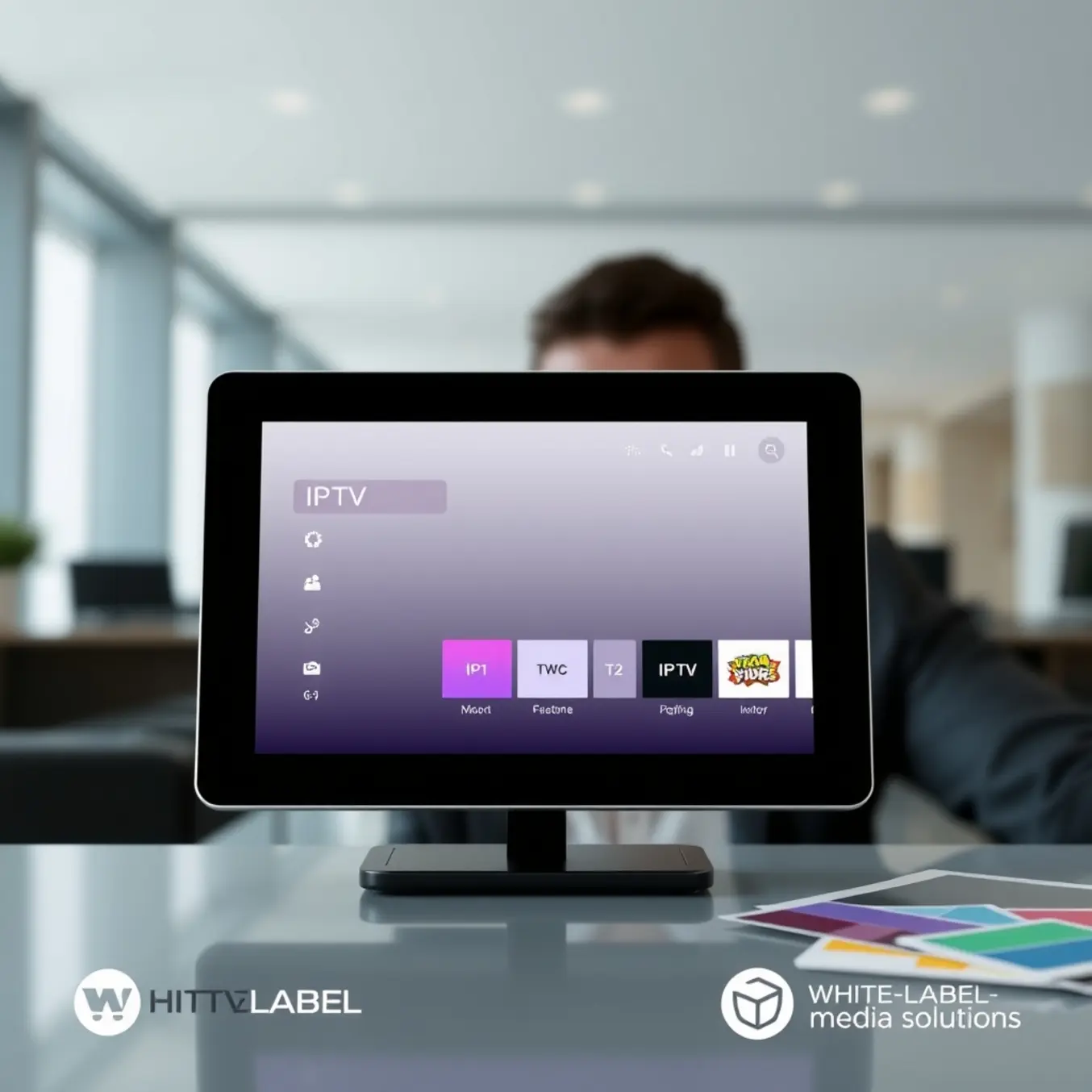
What Is a Whitelabel IPTV Service?
A whitelabel IPTV service is a complete streaming solution that allows entrepreneurs and businesses to rebrand and resell IPTV content under their own name. Instead of building the complex infrastructure from scratch, you purchase a ready-made service from a provider and customize it with your branding, pricing, and channel packages. This business model eliminates the technical barriers to entry, letting you focus on marketing and customer acquisition while the backend technology is managed for you.
Whitelabel solutions typically include access to extensive channel libraries, video-on-demand content, and electronic program guides that you can offer as your own service. The provider handles server maintenance, content licensing, and technical support, while you maintain control over your brand identity and customer relationships. This approach has become increasingly popular as the global IPTV market continues to expand, with projections indicating significant growth in coming years [Source: Grand View Research].
Key Components of a Successful Whitelabel IPTV Business
Custom Branding: Your Gateway to Professionalism
Custom branding transforms a generic IPTV service into your own unique business identity. This essential component allows you to create a professional appearance that builds trust with customers and distinguishes your offering from competitors. Through white-label solutions, you can incorporate your logo, color schemes, and brand elements directly into the streaming interface and customer-facing materials.
Moreover, custom branding extends to your customer portal, billing system, and support channels, creating a cohesive experience that reinforces your business identity. This professional presentation not only enhances customer confidence but also enables you to command premium pricing for your services. Many successful resellers leverage custom branding to create memorable experiences that encourage customer loyalty and word-of-mouth referrals.
Multi-Device Support: Catering to Modern Viewing Habits
Today’s viewers expect flexibility in how they access content, making multi-device support non-negotiable for successful IPTV reselling. This capability allows customers to stream content simultaneously on smartphones, tablets, smart TVs, and computers without interruption. According to recent streaming trends, households typically use 3-4 different devices for entertainment, making this feature essential for customer satisfaction.
Furthermore, implementing robust multi-device support requires careful consideration of connection limits and compatibility across different platforms. The most successful resellers offer packages that support multiple concurrent streams while ensuring seamless performance across various operating systems and devices. This approach not only meets current customer expectations but also future-proofs your service as new devices enter the market.
EPG Integration: Enhancing the Viewing Experience
Electronic Program Guide (EPG) integration represents a critical component that significantly improves user experience. A well-implemented EPG provides customers with comprehensive program information, scheduling details, and content discovery features that mimic traditional television services. This functionality allows users to easily navigate through channels, set reminders for favorite shows, and access detailed information about current and upcoming programming.
Additionally, high-quality EPG integration includes reliable data sourcing, regular updates, and customization options that align with your brand. The most effective EPG systems offer search functionality, category filtering, and personalized recommendations that keep customers engaged with your service. By investing in superior EPG integration, you demonstrate commitment to user convenience, which directly translates to higher customer retention rates.
Reliable Infrastructure and Server Performance
Behind every successful IPTV reseller business lies robust server infrastructure that ensures consistent streaming quality. Your service’s reliability directly impacts customer satisfaction and retention, making server performance a fundamental component of your operation. High-quality infrastructure minimizes buffering, maintains stable connections during peak viewing hours, and provides adequate bandwidth for high-definition content delivery.
Moreover, understanding server dynamics helps resellers make informed decisions about capacity planning and geographic distribution. Implementing content delivery networks (CDNs) and backup servers ensures uninterrupted service even during technical issues or high demand periods. This technical foundation supports all other components of your reseller business and forms the backbone of customer satisfaction.
Essential IPTV Pricing Models for Maximum Profitability
Choosing the right pricing structure is crucial for IPTV business success. The most common models include tiered subscriptions, pay-per-view options, and bundled packages. Tiered pricing allows customers to select packages based on channel selection and features, creating multiple revenue streams from different customer segments. Meanwhile, pay-per-view models generate additional income from premium events and exclusive content.
Many successful providers combine these approaches with strategic subscription plans that balance affordability with premium features. According to streaming industry research, tiered pricing increases customer retention by 23% compared to single-plan offerings [Source: Business of Apps].
Subscription Tiers That Drive Customer Loyalty
Effective tiered pricing typically includes basic, standard, and premium options. Basic plans attract budget-conscious customers with essential channels, while premium tiers offer extensive channel lineups, 4K streaming capabilities, and exclusive content. This approach ensures you capture customers across different price sensitivity levels while maximizing revenue per user.
Industry data shows that customers who start with basic plans often upgrade within six months, increasing their lifetime value by 45% [Source: Statista]. Therefore, designing tiers with clear upgrade paths significantly boosts long-term profitability.
Dynamic Pricing and Seasonal Promotions
Adaptive pricing strategies respond to market demand and seasonal trends. Offering limited-time discounts during holiday seasons or major sporting events captures seasonal demand spikes. Meanwhile, implementing modest annual price increases (3-5%) aligned with content expansion helps maintain profitability without significant churn.
Successful providers also leverage competitive pricing analysis to ensure their offerings remain attractive while protecting margins. Regular competitive benchmarking prevents price erosion while identifying opportunities for premium positioning in specific market segments.
Ultimately, the most profitable IPTV pricing strategy combines multiple revenue streams with customer-centric flexibility. This approach not only maximizes immediate revenue but builds a sustainable business model capable of adapting to evolving market conditions and customer preferences.
Technical Infrastructure for Whitelabel IPTV Services
Core Backend Infrastructure Requirements
Building a reliable whitelabel IPTV service requires a robust backend infrastructure designed for high-performance streaming. The foundation begins with powerful server architecture capable of handling massive concurrent connections without compromising quality. Most successful providers utilize enterprise-grade servers with dedicated streaming processors and sufficient RAM to manage multiple video streams simultaneously.
Content Delivery Networks (CDNs) form another critical component, distributing content across geographically dispersed servers to minimize latency. This ensures viewers receive smooth playback regardless of their location. Additionally, implementing load balancing technology prevents server overload during peak viewing hours, maintaining consistent service quality when demand spikes.
Advanced Streaming Capabilities
Modern IPTV services must support multiple streaming protocols to ensure compatibility across various devices and network conditions. The most common protocols include HLS (HTTP Live Streaming), MPEG-DASH, and RTMP, each offering distinct advantages for different use cases. HLS remains particularly popular due to its adaptive bitrate streaming capabilities, which automatically adjust video quality based on the viewer’s internet connection.
Adaptive bitrate streaming technology represents a crucial feature for maintaining viewer satisfaction. This system creates multiple versions of each video at different quality levels, allowing the player to seamlessly switch between them as network conditions change. Consequently, viewers experience minimal buffering even when their internet speed fluctuates, significantly improving the overall user experience.
Bandwidth and Network Requirements
Proper bandwidth planning directly impacts streaming quality and reliability. The required bandwidth depends on several factors, including the number of concurrent viewers, video resolution, and compression efficiency. For example, a 1080p stream typically requires 5-8 Mbps per user, while 4K content may need 15-25 Mbps. Our detailed guide on IPTV internet speed requirements provides comprehensive calculations for different scenarios.
Network optimization techniques further enhance performance, including traffic shaping to prioritize video data and implementing QoS (Quality of Service) rules. Additionally, peering arrangements with major ISPs can reduce latency and improve stream stability for viewers on those networks.
Content Management and Package Creation
Creating Compelling Content Packages for IPTV Customers
Successful IPTV providers understand that content organization directly impacts customer satisfaction and retention. By strategically managing your channel library and creating tailored packages, you can deliver exceptional value that keeps subscribers engaged long-term.
Strategic Content Categorization
Begin by organizing your content into logical categories that align with viewer preferences. Sports enthusiasts, movie lovers, and international content consumers each have distinct needs. Create dedicated sections for sports streaming, movies and series, and international channels. This approach allows customers to quickly find content that matches their interests without overwhelming them with options.
Furthermore, implement regional categorization to serve specific markets effectively. For instance, develop specialized packages for Canadian viewers, French audiences, and Arabic-speaking customers. This targeted organization demonstrates understanding of diverse viewer needs while maximizing your content’s appeal across different demographics.
Building Tiered Service Packages
Develop multiple subscription tiers that cater to different budget levels and viewing preferences. Start with an entry-level package featuring popular local channels and basic entertainment options. Then, create mid-tier offerings that include premium sports networks and movie channels. Finally, design comprehensive premium packages with extensive international content and specialized programming.
Your subscription plan structure should clearly communicate the value proposition at each level. Consider offering free trials for premium packages to demonstrate their superior content selection. This tiered approach allows customers to choose packages that match both their interests and budget constraints.
Customer Support and Service Delivery
Building a Reliable Support System for Your IPTV Business
Creating dependable customer support systems is essential for IPTV providers aiming to reduce churn and boost satisfaction. In fact, research shows that 90% of Americans use customer service as a factor in deciding whether to do business with a company. Consequently, implementing multi-channel support through email, live chat, and social media ensures customers can reach you through their preferred method.
Moreover, establishing a comprehensive knowledge base with setup guides and troubleshooting articles empowers users to solve common issues independently. For instance, our buffering troubleshooting guide helps customers resolve streaming problems quickly. Additionally, providing detailed installation resources like our Smart TV installation guide reduces support ticket volume while improving user experience.
Implementing Proactive Customer Success Strategies
Proactive customer engagement dramatically improves retention rates in the competitive IPTV market. Harvard Business Review research indicates that increasing customer retention rates by 5% increases profits by 25% to 95%. Regular check-ins with new subscribers during their first month help identify potential issues before they lead to cancellation.
Additionally, creating personalized content recommendations based on viewing habits enhances the customer experience. Meanwhile, offering flexible subscription options, including our comprehensive plan comparison guide, helps customers find the perfect fit for their needs. Finally, implementing a straightforward renewal process removes friction when customers want to continue their service.
Marketing Strategies for IPTV Resellers
Strategic Digital Marketing for IPTV Resellers
Building a successful IPTV reseller business requires implementing proven digital marketing strategies that attract qualified customers and drive consistent sales. Meanwhile, the competitive landscape demands smart positioning and targeted outreach. Consequently, you need a comprehensive approach that combines content marketing, social media engagement, and conversion optimization.
Content Marketing That Converts
Create valuable content that addresses specific customer pain points and positions your service as the solution. For example, develop tutorials on setting up IPTV on Firestick or comparisons between different IPTV subscription plans. Additionally, showcase your expertise through comprehensive guides like sports streaming options and international channel packages. This approach establishes trust while naturally incorporating your service offerings.
Targeted Advertising Strategies
Implement precise advertising campaigns targeting users interested in cord-cutting alternatives. Use keyword targeting around terms like “best IPTV for Firestick,” “affordable streaming services,” and “international channels.” Additionally, retarget website visitors who explored your free trial options or pricing pages. According to WordStream research, retargeting ads typically achieve click-through rates 10 times higher than standard display ads.
Legal Compliance and Licensing Requirements
Understanding IPTV Licensing Requirements
Operating a whitelabel IPTV service requires strict adherence to licensing regulations to ensure legal compliance. Content licensing is fundamental – you must secure proper rights for all channels, movies, and TV shows you distribute. According to industry standards, unauthorized streaming of copyrighted content can result in severe penalties, including service shutdowns and legal action.
Different regions have varying licensing requirements. For instance, European Union regulations mandate specific content distribution licenses, while the United States enforces strict copyright protection through the Digital Millennium Copyright Act. Many providers face challenges with international content rights, particularly when broadcasting across multiple countries.
Implementing Compliance Measures
Successful whitelabel IPTV providers implement robust compliance systems to monitor content usage and distribution rights. This includes regular audits of your content library, maintaining detailed records of licensing agreements, and implementing geoblocking technology to restrict content to authorized regions only.
Many providers utilize digital rights management (DRM) systems to protect content from unauthorized redistribution. These systems help prevent piracy while demonstrating your commitment to legal operations. Additionally, transparent billing practices and clear terms of service contribute to building trust with both customers and regulatory bodies.
Partnering with Licensed Providers
One effective strategy for ensuring compliance is partnering with established, licensed IPTV providers. Services like verified IPTV subscriptions offer pre-licensed content libraries that whitelabel operators can legally redistribute. This approach reduces the complexity of managing individual content licenses while providing access to premium channels.
When selecting content partners, verify their licensing credentials and review their compliance history. Reputable providers maintain transparent relationships with content creators and regularly update their licensing agreements. This due diligence protects your business from potential legal issues down the line.