
alt_text: A smartphone displays a vibrant IPTV interface, with glowing ExoPlayer and VLC holograms above it, set against a dark server room.

Why IPTV Apps Use ExoPlayer And VLC Engines

The WordPress post explores why IPTV apps prefer ExoPlayer and VLC engines, highlighting their robust performance, versatility, and seamless streaming capabilities. It emphasizes ExoPlayer’s customization options and adaptive streaming support, alongside VLC’s extensive codec compatibility and open-source flexibility. Together, these engines enhance user experience by ensuring reliable playback, efficient resource use, and broad device support, making them the go-to choices for IPTV developers.

alt_text: A photorealistic infographic shows raw video files entering a server rack and being transcoded into smaller H.264 and HEVC streams for different devices.

Understanding IPTV Transcoding And Why It Matters

The post “Understanding IPTV Transcoding And Why It Matters” explores the critical role of transcoding in optimizing IPTV streaming. It highlights how transcoding converts video formats to ensure compatibility across diverse devices, enhances user experience by reducing buffering and latency, and enables efficient bandwidth management. The article underscores transcoding’s advantages, including improved video quality, adaptive streaming, and scalability for large audiences. Distinctively, it emphasizes transcoding as a cornerstone for delivering seamless, high-quality IPTV content in today’s varied viewing landscape.

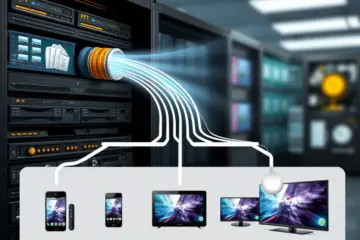
How Multi Bitrate Streaming Improves IPTV Playback

Multi Bitrate Streaming revolutionizes IPTV playback by dynamically adjusting video quality to match the viewer’s internet speed, ensuring smooth and uninterrupted viewing. This technology optimizes bandwidth usage, reduces buffering, and enhances user experience across various devices. Its adaptive nature not only supports diverse network conditions but also boosts overall streaming efficiency, making IPTV more reliable and accessible.

alt_text: Modern digital screen showing an .m3u8 playlist, surrounded by TV, laptop, streaming icons.

M3U8 File Explained: How It Works For IPTV Streaming

The post “M3U8 File Explained: How It Works For IPTV Streaming” delves into the essential role of M3U8 files in delivering seamless IPTV experiences. It highlights how these playlist files organize streaming content efficiently, enabling smooth playback across various devices. Key advantages include easy content management, compatibility with HTTP Live Streaming (HLS) protocol, and support for adaptive streaming, ensuring high-quality video delivery even with fluctuating internet speeds. Distinctive features such as flexibility in linking multiple media streams and widespread industry adoption make M3U8 a cornerstone technology in modern IPTV streaming solutions.