Behind The Scenes Of IPTV Load Balancing
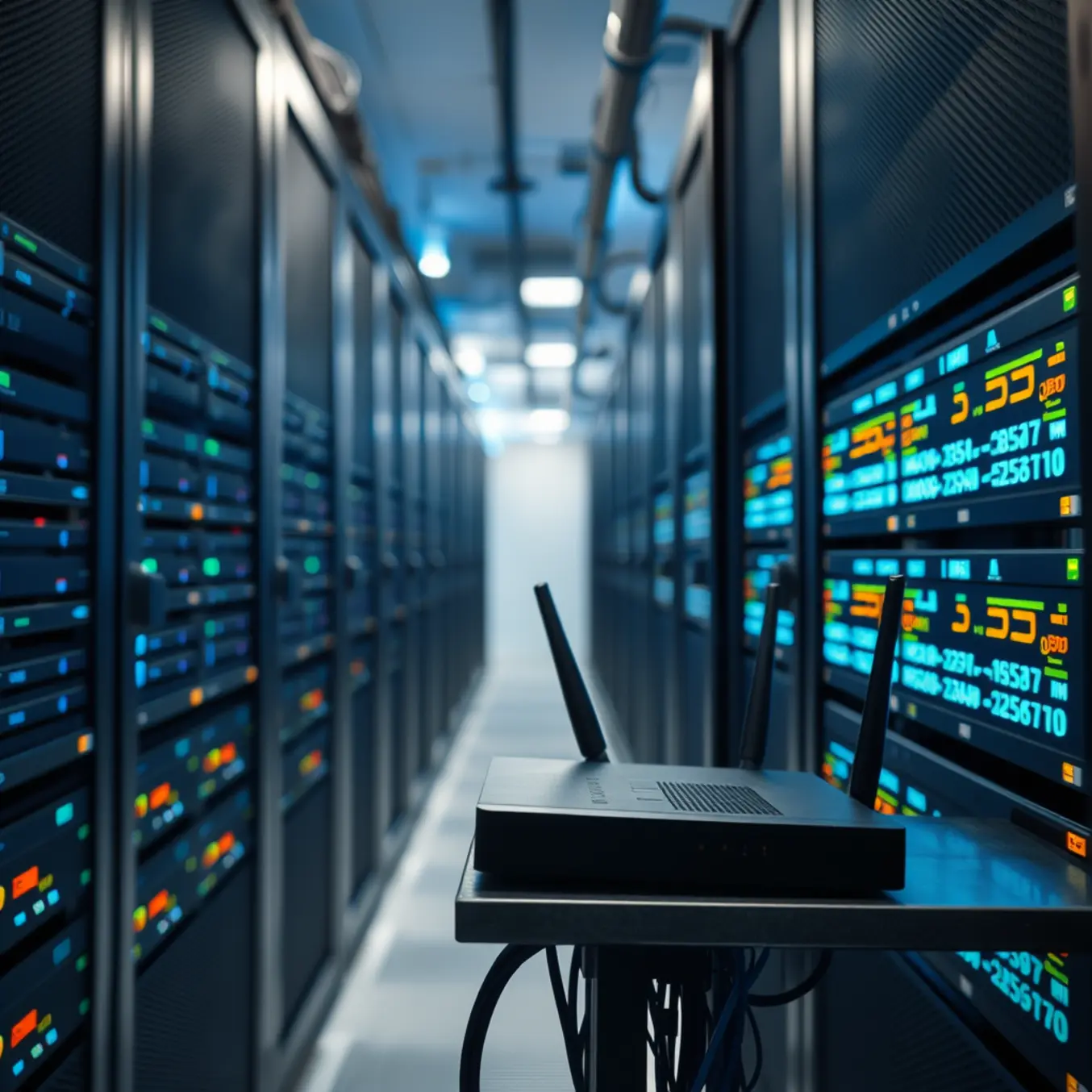
The IPTV Traffic Jam Problem
Imagine settling in for the championship game’s final moments or your favorite show’s season finale, only to face constant buffering and pixelated screens. This frustrating experience represents the IPTV traffic jam problem that plagues modern streaming services. As more viewers cut the cord and embrace internet-based television, network congestion has become the primary bottleneck for quality entertainment delivery.
Understanding Network Congestion in Streaming
IPTV services deliver television content through internet protocols rather than traditional broadcast methods. However, unlike scheduled broadcast television, IPTV faces the challenge of unpredictable viewer demand patterns. When thousands of users simultaneously access popular content, network infrastructure can become overwhelmed, creating digital traffic jams that degrade streaming quality. According to streaming technology experts, peak viewing events can increase network load by 300-500%, pushing servers beyond their capacity limits.
These congestion issues manifest in several ways for viewers:
- Constant buffering during high-demand periods
- Reduced video resolution and pixelation
- Audio-video synchronization problems
- Complete service interruptions during major events
The Root Causes of Streaming Bottlenecks
Several factors contribute to the IPTV traffic jam problem. First, insufficient server capacity remains a primary concern. Many providers underestimate the computational resources needed to handle simultaneous streams, especially during live sports events or popular show premieres. Additionally, inadequate internet bandwidth at either the provider or user end creates bottlenecks that affect streaming quality.
Geographical distance between users and content delivery networks (CDNs) presents another significant challenge. Data traveling longer distances encounters more potential points of congestion, increasing latency and packet loss. Furthermore, the lack of proper traffic management means that all user requests receive equal priority, regardless of their content type or urgency, leading to inefficient resource allocation.
Why Load Balancing Matters for Modern Streaming
Intelligent load balancing provides the solution to IPTV traffic congestion by dynamically distributing network traffic across multiple servers and pathways. This approach prevents any single resource from becoming overwhelmed while optimizing the overall streaming experience. Advanced load balancing systems continuously monitor server health, network conditions, and user demand patterns to make real-time routing decisions.
Effective load balancing delivers tangible benefits for both providers and viewers. For providers, it maximizes infrastructure utilization and reduces the need for costly overprovisioning. Meanwhile, viewers enjoy consistent streaming quality regardless of network conditions or concurrent user numbers. As buffering remains the top complaint among IPTV users, implementing robust load balancing becomes essential for customer satisfaction and retention.
The transition to higher-resolution content, including 4K streaming, further intensifies the need for sophisticated traffic management. High-definition content requires significantly more bandwidth, making efficient resource allocation even more critical. Without proper load balancing, the IPTV traffic jam problem will only worsen as streaming quality expectations continue to rise.
What Exactly is IPTV Load Balancing?
IPTV load balancing is a critical technical process that distributes network traffic and user requests across multiple servers within an IPTV streaming infrastructure. This system intelligently routes viewer connections to different servers based on current load capacity, ensuring no single server becomes overwhelmed during peak viewing times.
The Core Mechanism Behind Load Distribution
When you stream content through an IPTV service, your request doesn’t automatically go to a single server. Instead, sophisticated load balancing algorithms analyze server performance metrics in real-time, including CPU usage, memory availability, bandwidth consumption, and active connections. These systems then direct your stream to the optimal server that can handle the request without compromising quality.
Modern load balancers use various distribution methods, such as round-robin (cycling through servers sequentially), least connections (sending requests to the least busy server), or geographic proximity (connecting users to the nearest server location). This intelligent distribution prevents buffering issues and maintains consistent streaming quality even during high-demand events like major sports games or popular show premieres.
Why Load Balancing is Essential for Streaming Architecture
Load balancing serves as the backbone of reliable IPTV services by addressing several critical challenges in streaming architecture. During peak hours, when thousands of viewers simultaneously access content, load balancers prevent server overload that could lead to service interruptions or degraded video quality. This is particularly crucial for sports streaming where real-time reliability is non-negotiable.
Additionally, load balancing enhances service redundancy and fault tolerance. If one server experiences technical issues or requires maintenance, the load balancer automatically redirects traffic to healthy servers without users noticing any disruption. This seamless failover capability ensures continuous service availability, making it essential for providers offering premium streaming experiences.
Impact on User Experience and Service Reliability
The effectiveness of load balancing directly correlates with the quality of your viewing experience. Properly implemented load balancing eliminates the frustrating “server full” messages that plagued early streaming services and ensures consistent performance regardless of how many users are online simultaneously. This reliability is especially important for viewers using multiple devices throughout their homes.
Furthermore, load balancing enables IPTV providers to scale their services efficiently as their subscriber base grows. Instead of replacing entire server infrastructures, providers can simply add new servers to their existing pool, with the load balancer automatically incorporating them into the distribution system. This scalability allows services to maintain performance standards while expanding their capacity to accommodate more users and higher-quality streams, including 4K content that demands greater bandwidth.
According to streaming infrastructure experts, properly configured load balancing can reduce buffering incidents by up to 80% during peak usage periods [Source: Akamai Technologies]. This technical foundation separates premium IPTV services from unreliable alternatives and forms the invisible infrastructure that delivers the seamless entertainment experience modern viewers expect.
The Load Balancing Decision Engine
IPTV load balancing algorithms function as sophisticated decision engines that continuously evaluate multiple server metrics to determine optimal content delivery paths. These systems monitor real-time data including server CPU utilization, memory availability, network bandwidth capacity, and current connection counts. When a viewer requests a stream, the algorithm instantly analyzes which server can handle the request most efficiently while maintaining quality of service.
Advanced load balancers employ predictive analytics to anticipate demand spikes during popular live events, proactively redistributing loads before performance degradation occurs. This intelligent distribution prevents any single server from becoming overwhelmed, which is crucial for maintaining buffer-free streaming experiences during peak viewing hours.
Key Factors in Server Selection Algorithms
Modern IPTV providers utilize multiple algorithmic approaches to optimize server selection. Round-robin distribution cycles through available servers sequentially, while weighted algorithms assign traffic based on server capacity specifications. More sophisticated least-connections methods direct new requests to servers with the fewest active streams, and geographic algorithms consider physical proximity to reduce latency.
Additionally, response-time based load balancing continuously measures server performance metrics, automatically routing traffic away from underperforming nodes. This dynamic adaptation ensures consistent streaming quality even as network conditions fluctuate throughout the day. The system’s ability to make these micro-second decisions directly impacts whether viewers experience premium streaming quality or frustrating interruptions.
Real-Time Adaptation to Network Conditions
The most effective IPTV load balancing systems incorporate real-time network monitoring that detects congestion, packet loss, and latency issues across multiple pathways. When degradation is detected, the algorithm automatically reroutes streams through alternative servers with cleaner network paths. This capability is particularly valuable for live sports streaming where even minor buffering can ruin the viewing experience during critical moments.
Furthermore, these systems maintain redundant server capacity that remains idle until needed during traffic surges. This strategic reserve allows for seamless scaling during popular broadcasts without compromising performance for existing viewers. The algorithm’s intelligent resource allocation ensures that premium services like 4K IPTV plans receive the necessary bandwidth to deliver their high-resolution content consistently.
Impact on User Experience and Service Reliability
Effective load balancing directly correlates with viewer satisfaction by minimizing buffering, reducing startup times, and maintaining consistent video quality. When algorithms successfully distribute loads across optimally positioned servers, users experience faster channel switching and more reliable connections. This technical excellence translates to the stable live TV streaming that subscribers expect from premium services.
The decision engine’s sophistication becomes particularly evident during global events that attract massive simultaneous viewership. Robust load balancing systems can handle thousands of concurrent connections by dynamically scaling resources and intelligently distributing demand across server clusters worldwide. This capability ensures that services maintain their reputation for reliability, which is essential for providers offering IPTV lifetime plans that depend on long-term performance consistency.
Ultimately, the invisible work of load balancing algorithms forms the foundation of quality IPTV service, making complex routing decisions that keep entertainment flowing smoothly to viewers across different devices and locations. This backend intelligence enables the seamless streaming that modern audiences have come to expect from their television services.
Real-Time Traffic Monitoring Systems
Real-time traffic monitoring systems are sophisticated backend tools that continuously track server performance metrics and user demand patterns for IPTV services. These systems collect and analyze data from multiple points in the streaming infrastructure, including server load, bandwidth utilization, and viewer connection quality. Consequently, they enable providers to maintain optimal streaming conditions by dynamically allocating resources where they’re needed most.
Key Performance Metrics Tracked
Advanced monitoring systems track several critical performance indicators simultaneously. These include:
- Server Load: CPU and memory usage across distribution servers
- Network Latency: Response times between users and content delivery networks
- Buffering Rates: Frequency and duration of playback interruptions
- Concurrent Connections: Number of active streams per server
According to streaming technology research, these systems can process thousands of data points per second to identify potential bottlenecks before they impact viewer experience [Source: Streaming Media Magazine].
Adaptive Resource Allocation
When monitoring systems detect increased demand for specific content or regional congestion, they automatically trigger resource redistribution. For instance, during major sporting events or popular show premieres, additional server capacity is allocated to handle the surge in viewers. This proactive approach prevents service degradation and ensures consistent streaming quality across all users.
Moreover, these systems work in tandem with internet speed requirements to match stream quality with available bandwidth. They continuously adjust video bitrates based on real-time network conditions, providing the best possible viewing experience without constant buffering.
Predictive Analytics and Capacity Planning
Beyond immediate traffic management, these systems employ machine learning algorithms to predict future demand patterns. By analyzing historical data, seasonal trends, and content popularity, they help providers anticipate capacity needs and scale infrastructure accordingly. This predictive capability is particularly valuable for sports streaming services that experience predictable spikes during games and tournaments.
Industry analysis shows that providers using advanced monitoring systems experience 40% fewer service interruptions during peak hours compared to those relying on manual monitoring [Source: IBC].
Integration with Quality of Service (QoS) Protocols
Modern traffic monitoring systems integrate deeply with QoS protocols to prioritize critical streaming data. They differentiate between essential video packets and less time-sensitive data, ensuring smooth playback even during network congestion. This integration is particularly important for 4K IPTV plans that require substantial bandwidth and low latency.
Additionally, these systems provide comprehensive dashboards for service providers, displaying real-time metrics on:
- Geographic distribution of viewers
- Most-watched channels and content
- Average session duration
- Error rates and resolution times
This detailed visibility enables rapid troubleshooting and continuous service optimization, ultimately delivering the reliable streaming experience that modern viewers expect from premium IPTV services.
Server Health Checks & Failover Protocols
IPTV services employ sophisticated server health monitoring systems that constantly check the performance and availability of streaming servers. These automated systems perform regular checks to detect potential issues before they affect viewers. For example, they monitor server load, bandwidth capacity, and response times to ensure optimal performance. When problems are detected, the system can automatically redirect traffic to backup servers, preventing service interruptions for users.
Advanced monitoring tools track multiple performance metrics simultaneously, including CPU usage, memory consumption, and network latency. This proactive approach allows IPTV providers to address potential issues before they impact your viewing experience. According to streaming technology experts, modern IPTV platforms use real-time monitoring systems that can detect server degradation within seconds, triggering immediate response protocols.
Failover Protocols in Action
When a primary server experiences issues, IPTV systems activate failover protocols that seamlessly transfer users to backup servers. This process happens automatically and typically within seconds, minimizing any disruption to your streaming. The system maintains multiple redundant servers in different geographical locations, ensuring that if one server fails, another can immediately take over the streaming load.
Load balancing technology distributes viewer traffic across multiple servers, preventing any single server from becoming overwhelmed. This approach not only improves reliability but also enhances streaming quality during peak viewing hours. Many premium IPTV services, including All In One TV subscription plans, implement advanced load balancing to maintain consistent performance even during major sporting events or popular show premieres.
Redundant Infrastructure Design
Quality IPTV providers build their infrastructure with redundancy at every level. This includes multiple content delivery networks (CDNs), backup power supplies, and diverse internet connectivity options. The redundancy extends to data centers located in different regions, protecting against regional outages or network issues. This geographical distribution ensures that if one data center experiences problems, others can continue serving content without interruption.
Furthermore, IPTV systems maintain synchronized copies of channel lineups and user data across multiple servers. This means your IPTV subscription preferences and channel lists remain accessible even during server transitions. The synchronization occurs in real-time, ensuring that all backup systems have current information ready for immediate use when needed.
Advanced Alert Systems
IPTV providers implement comprehensive alert systems that notify technical staff of potential issues before they affect users. These systems monitor for unusual patterns in server performance, network traffic, or user connection attempts. When thresholds are exceeded, automated alerts trigger immediate investigation and remediation processes.
Technical teams receive notifications through multiple channels, including mobile alerts and dashboard warnings, ensuring rapid response to emerging issues. This proactive monitoring, combined with buffering prevention techniques, creates a robust system that maintains streaming continuity. The alert systems also track historical performance data, allowing providers to predict and prevent recurring issues before they impact your viewing experience.
Continuous Performance Optimization
Beyond immediate failover responses, IPTV systems continuously optimize server performance through automated scaling and resource allocation. During periods of high demand, such as live sports events or popular show releases, the system can automatically provision additional server resources to handle increased traffic. This dynamic scaling ensures consistent streaming quality regardless of viewer numbers.
Performance data collected from health checks feeds into machine learning algorithms that predict future demand patterns. These predictions enable preemptive resource allocation, ensuring that servers are